
RTP tells you the average, not your evening. These pieces show the spread around the average: how fast a bankroll drains, how much an hour of play costs, and what the jackpot pool takes out of a spin.
Return to player is an average over a very large number of spins, and nobody plays that many. What you experience in an evening is the spread around the average, and that spread is set by volatility. The guides in this section put numbers on both: how much an hour of play costs at a given stake, how quickly a bankroll drains, and how often a session ends well ahead or well behind.
The tables use round figures and a model pokie with a stated RTP and spins per hour, because the real figures change from game to game. Where a studio publishes an RTP we use it; where it does not we do not guess. Each guide shows the formula so you can replace our inputs with your own, and the calculators on the pages do it for you in the browser, without sending anything anywhere.
The point of the arithmetic is not to find a system, because there is none for a game with a built-in edge. It is to know what you are paying for entertainment, and to decide a limit before you start rather than after.
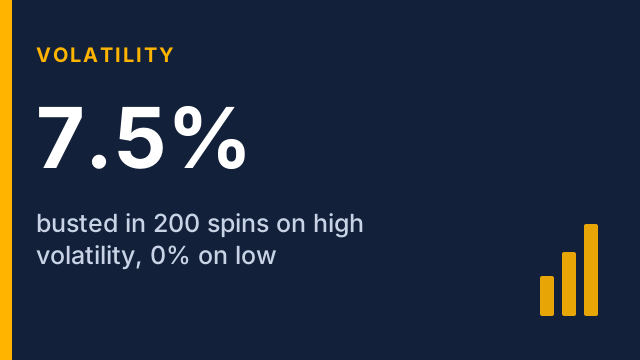 VolatilitySame 96% RTP, very different nights: volatility in 20,000 sessions9 min · Three model pokies with identical RTP and different volatility, played for 200 spins from
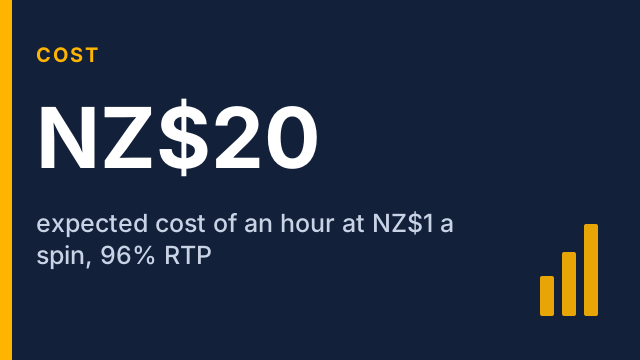 CostWhat an hour of pokies costs: the spins-per-hour table6 min · Hourly cost is spins per hour times bet times the house edge. The table for NZ$0.20 to NZ$5
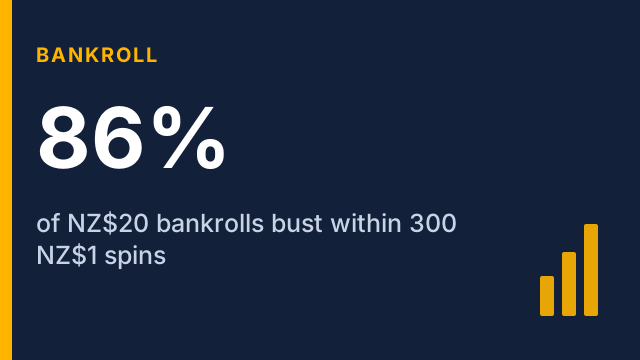 BankrollHow big a bankroll for NZ$1 spins? Risk of ruin from NZ$20 to NZ$5008 min · The share of 300-spin sessions that hit zero for bankrolls of NZ$20, 50, 100, 200 and 500 at
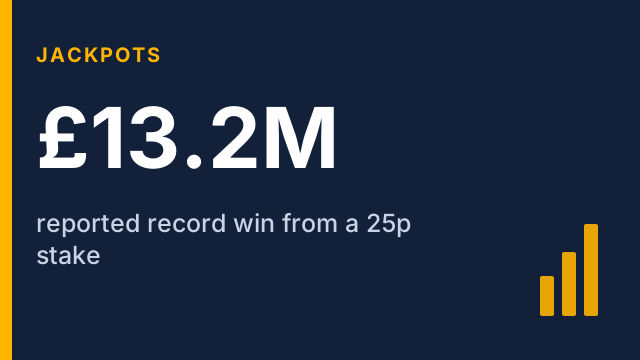 JackpotsProgressive jackpots: what the jackpot pool takes out of your RTP8 min · A progressive pokie funds its jackpot from every spin, so the base game pays less. How the
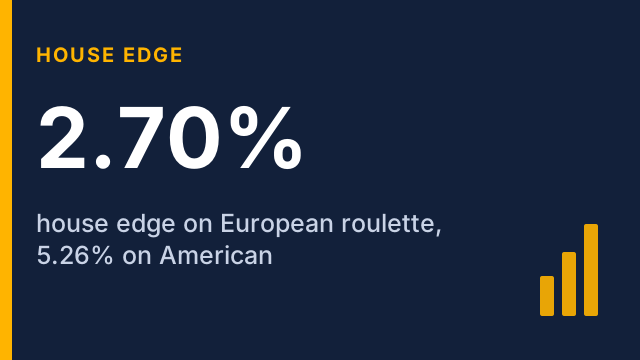 House edgeHouse edge cheat-sheet: roulette, blackjack and baccarat compared7 min · European versus American roulette, 3:2 versus 6:5 blackjack and the three baccarat bets, with